
From the Balkans

Balkan Culture

From food and music to traditional dress and handicrafts: a selection from the rich heritage of the Balkans.

Balkan Cuisine
01 / 04

Balkan Cuisine

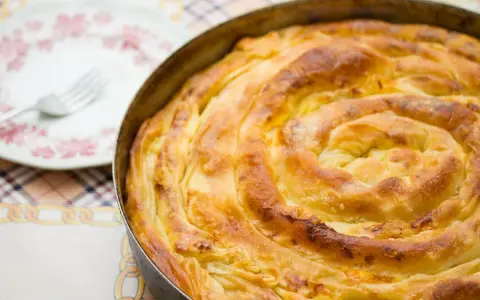
Börek, köfte, trileçe, sudžuk sausages, dried meats… each one more famous than the last. Whenever your travels take you to the Balkans, you'll feel right at home and eat to your heart's content. Meat holds a special place in Balkan cooking. When it comes to meat, nothing else compares, because most Balkan dishes are meat-based. Everyone knows the region's famous börek and mantı pastries. They come filled with hand-chopped meat, minced meat, courgette, spinach or cheese, and the list goes on and on. Better still, take a Balkan tour and taste them for yourself!
The Balkans Can't Live Without Music
02 / 04

The Balkans Can't Live Without Music

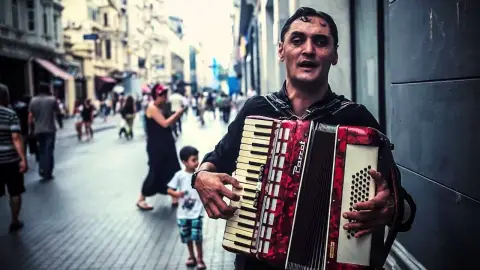
Music is truly indispensable to the people of the Balkans and holds a unique place in their lives. Having lived through many wars and migrations, the people of this region tell of their emotions and give voice to them through music. Although Balkan music embraces many instruments, it all began with the accordion. Clarinet, guitar and percussion later joined in, followed by the gusle, gaida (bagpipe), bouzouki, bağlama, oud, santur, violin, harp, flute, cymbals and darbuka, creating a richly layered musical culture.

03 / 04

Traditional Balkan Dress

In the Balkan countries, traditional dress varies in colour and according to the age of the wearer. In Kosovo, for example, tradition has it that newlyweds usually prefer more colourful clothes, while young women of marriageable age wear simple dresses. Shalwar trousers known as "cityan" and handmade waistcoats worn over the shirt are among the most important regional garments of Kosovo, and they are still worn today. Among Albanians, the shalwar is made of light-coloured, usually white, jacquard fabric trimmed with stripes, while shirt collars and cuffs are mostly decorated with needle lace.

Handicrafts and Embroidery
04 / 04

Handicrafts and Embroidery

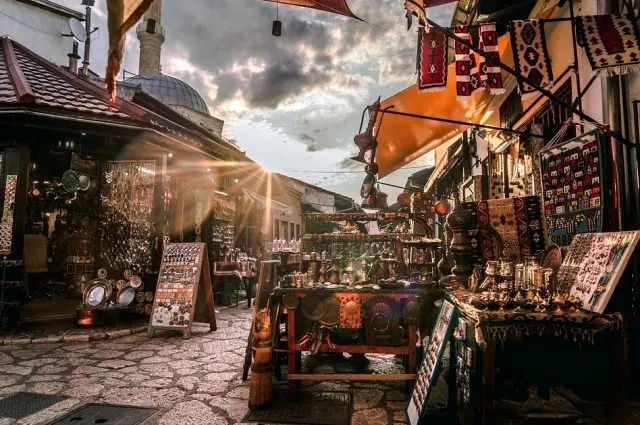
When it comes to traditional crafts in the Balkan countries, weaving holds a particularly important place. Leather crafts such as saddlery, shoemaking and the making of traditional yemeni slippers are highly developed, as are basket weaving, woodwork and stonework. The colourful patterned socks and gloves found in abundance in dowry chests, the pouches made to keep money and watches safe, the lace curtains and bed linen so widely used in home décor, and the silk needle lace adorning headscarves are all products of the refined artistic taste of Balkan women.